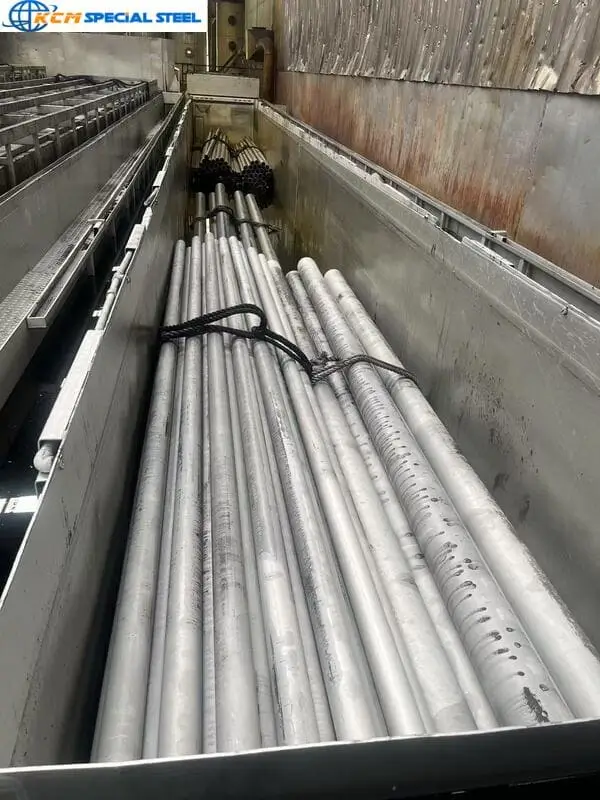
304L Stainless Steel Pipe Pitting Corrosion Characteristics and Failure Analysis
Read More
industry news

304L Stainless Steel Pipe Pitting Corrosion Analysis

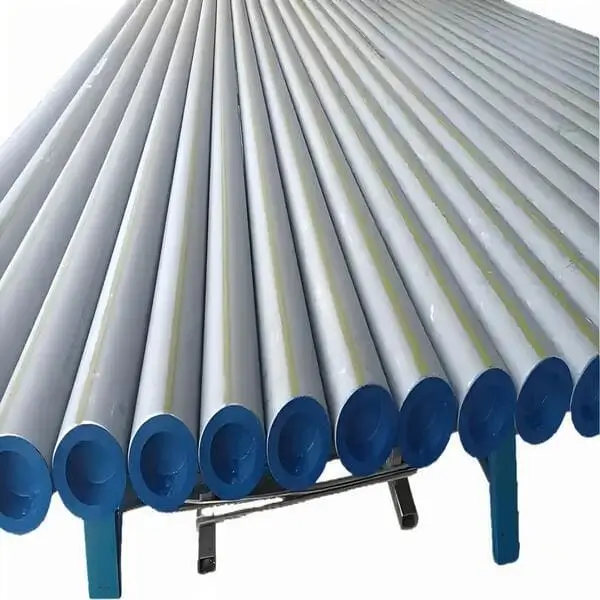
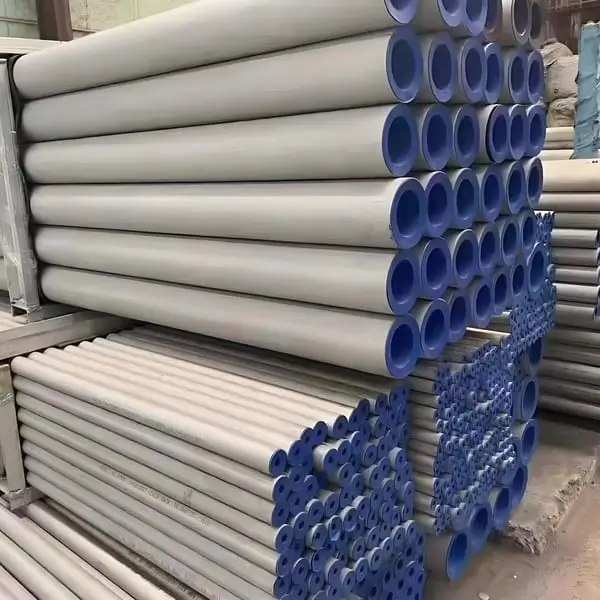
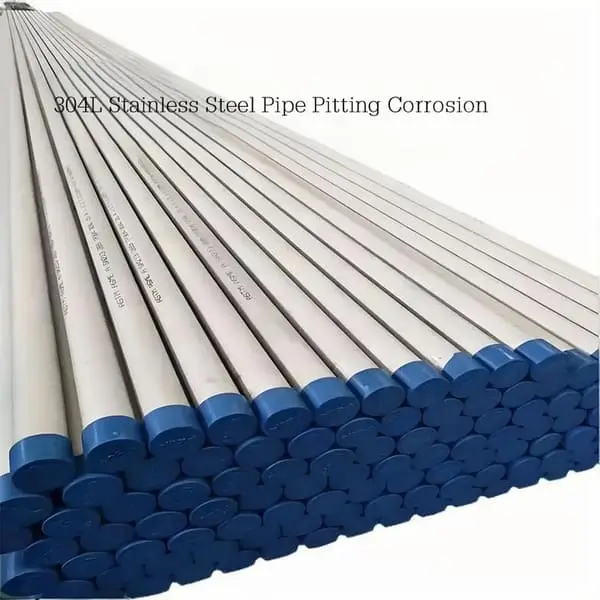
This study investigates chloride-induced pitting corrosion in 304L stainless steel pipes (ASTM A312/A358 TP304L) through metallurgical analysis and industry case studies. The research identifies critical thresholds for chloride concentration (>100 ppm) and temperature (>50°C) that accelerate pit formation in 304L stainless steel pipe systems. Microscopy and SEM-EDS analyses reveal characteristic 0.1-0.3mm surface pits with subsurface wedge-shaped cavities (1.2-2.8mm depth), accompanied by chromium depletion (>70% reduction). The 304L stainless steel pipe pitting corrosion analysis demonstrates material limitations including low PREN (18.7) and CPT (<50°C in 3.5% NaCl). Comparative testing confirms electropolishing (Ra <0.25µm) and upgraded alloys (316L/2205 duplex) improve resistance. Standardized mitigation protocols are proposed, incorporating ASTM G48 testing, 1100°C post-weld heat treatment, and quarterly eddy current inspections. The findings provide actionable guidelines for extending service life of ASTM A312 TP304L stainless steel pipes in chloride-rich environments while maintaining cost-efficiency.

Read more

Pickling/Passivation Boost Stainless Steel Performance 1
Read More
industry news

Pickling/Passivation Boost Stainless Steel Performance

Austenitic stainless steel, renowned for its exceptional corrosion resistance, high-temperature stability, and superior mechanical properties, is extensively utilized across industries such as chemical processing, petrochemicals, nuclear energy, aerospace, and healthcare. However, its performance hinges on the integrity of its passive oxide layer. This article explores the necessity of pickling and passivation processes in optimizing stainless steel’s corrosion resistance, surface quality, and compliance with industrial standards. Technical mechanisms, practical applications, and comparative data are analyzed to underscore their indispensable role in engineering.

Read more

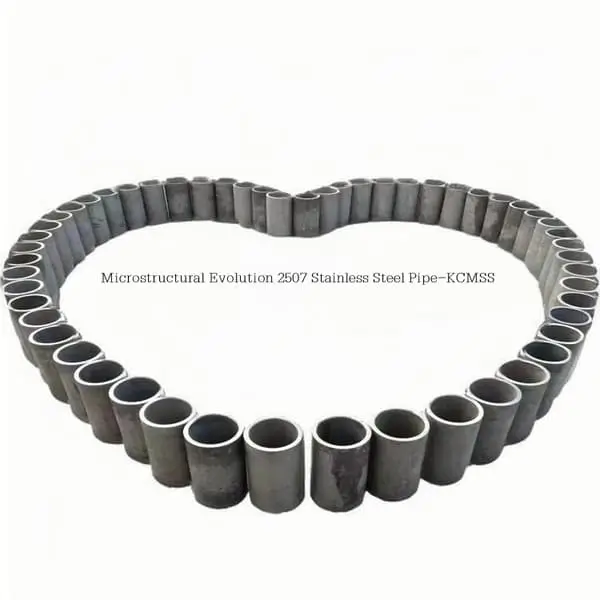
Microstructural Evolution and Optimal Heat Treatment of Super Duplex 2507 Stainless Steel Pipes
Read More
industry news

Microstructural Evolution and Optimal Heat Treatment of Super Duplex 2507 Stainless Steel Pipes

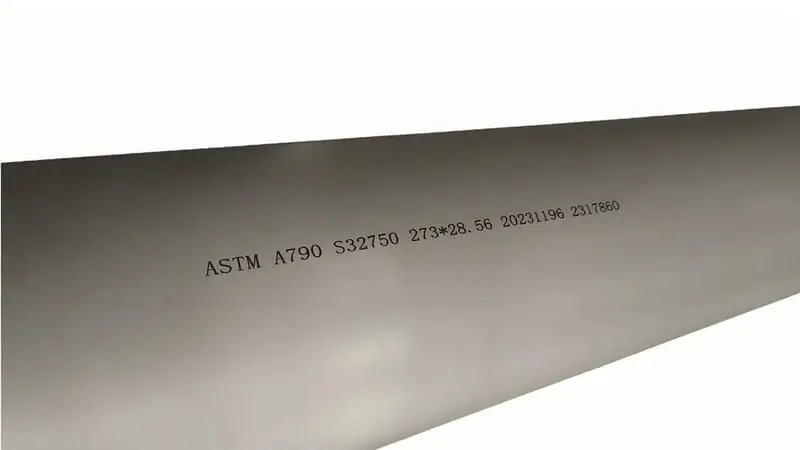
This study explores the microstructural changes, mechanical properties, and erosion-corrosion resistance of super duplex 2507 stainless steel pipes (UNS S32750, SAF2507) under varying heat treatment conditions. Through systematic experiments involving normalizing at 1050°C followed by single and double tempering within 500°C–700°C, the interplay between hardness, toughness, and anti-wear performance was rigorously analyzed. Results demonstrate that tempering at 550°C after normalizing delivers the optimal balance of mechanical and anti-corrosion properties, establishing it as the most cost-effective industrial process. The findings also address widespread public misconceptions about stainless steel, clarifying its compositional nuances and performance criteria.

Read more